Energy Crisis and Night Tariffs: What Pavlohrad Residents Should Expect After New Attacks on the Grid
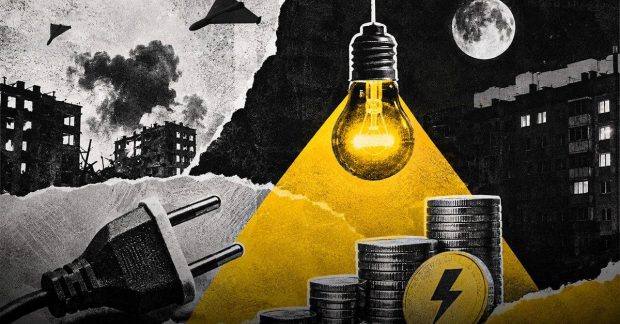
Massive strikes on energy facilities have caused power deficits in Ukraine, but regulators are considering incentives for consumers during night-time hours.
 🏙️City
Photo: UNIAN
Key points
- TPPs in Lviv, Ivano-Frankivsk regions, and Kyiv have been damaged.
- Rivne and Khmelnytskyi NPPs reduced output due to distribution grid damage.
- NEURC is discussing bonuses or discounts for energy consumption during night hours.
The latest wave of Russian attacks on critical infrastructure, occurring on the night of November 20, has significantly complicated the situation within Ukraine's unified energy system. According to energy expert Stanislav Ignatiev, key generating capacities and pivotal substations were targeted. Specifically, damage was recorded at two private DTEK thermal power plants in the Lviv and Ivano-Frankivsk regions, as well as at a state-owned TPP in Trypillya and Kyiv's CHPP-5. These destructions directly impact the country's overall power balance, forcing operators to implement strict restriction schedules.
Threat of Long Blackouts and NPP Status
Methodical strikes on distribution system operator substations pose a particular danger. The adversary is attempting to disable facilities that step down voltage from ultra-high levels (750 kV) to high levels (330 kV), such as the "Kyivska" substation in Nalyvaykivka. These actions aim to cut off major cities from nuclear generation. Currently, the Rivne and Khmelnytskyi NPPs have been forced to reduce their load—not due to direct hits, but because of the inability to distribute produced electricity through damaged grids in neighboring regions.
"The enemy is trying to plunge Kyiv into darkness. If strikes on the Nalyvaykivka substation and power lines continue, we could see blackouts lasting up to 20 hours a day," Stanislav Ignatiev notes.
New Initiatives: Subsidies for Night-Time Consumption
Despite deficits during peak hours, Ukraine's energy system periodically experiences surpluses during the day and night. Currently, excess energy is exported to Europe at minimal prices. Consequently, the National Energy and Utilities Regulatory Commission (NEURC) is considering a resolution that would allow Ukrainians to benefit from this surplus. This involves a mechanism where consumers could effectively be "paid" to use electricity at night by deducting its cost from their total bill.
This approach would enable citizens to charge high-capacity batteries and uninterruptible power supplies, such as EcoFlow units, during low-demand hours to use the stored energy during daytime deficits. The expert emphasizes that the duration of future blackouts will depend entirely on the intensity of subsequent attacks and the speed of repairs on damaged substations.
Source UNIAN — unian.ua/economics/energetics/doplata-za-elektroenergiyu-vnochi-v-u… ↗
Read next
 🩺Health
Effects of Beetroot Juice on Blood Sugar: A Dietitian's Explanation
Nutritionist Ilenia Grieco explains the actual and exaggerated benefits of beetroot juice, including its impact on blood glucose, blood pressure, and physical endurance.
 🛡️Security
Electricity supply restored in Sarny district following enemy attack
Repair works on energy infrastructure damaged by the Russian shelling on November 20 have been completed in the Rivne region.
 🎭Culture & Sport
Autumn Rose Care: Tips for Gardeners in Pavlohrad
Experts explain why it is better to wait for steady frosts before performing radical rose pruning.
 🇺🇦Ukraine
Estonia supports Ukraine's right to self-defense following incident in the Gulf of Finland
The Estonian Foreign Ministry stated that the strike on a Russian vessel is a consequence of Russia's war of aggression and that Ukraine has the right to defend itself.
 🛡️Security
Rescue workers pull elderly woman from rubble in Dymer: death toll rises
Search and rescue operations continue in the Kyiv region following a drone strike on a residential building. The death toll from the attack has risen to nine.
 🛡️Security
Russian corvette 'Merkury' in Libya: potential strike by Ukrainian drones
A Russian military vessel exploded in the Libyan port of Benghazi, with reports suggesting a possible attack by maritime drones.