Ukraine's Demographic Future: Experts Outline Population Projections Through 2030
Demographic specialists have shared updated calculations regarding Ukraine's population size heading into 2030.
 🎓Education
Photo: TSN
Key points
- Ukraine's population projection for 2030 stands at 25.5–26.8 million people
- The share of children will decline while the proportion of elderly citizens grows
- Women will remain the demographic majority due to migration and wartime losses
- Local communities face upcoming adjustments in labor markets and social services
The challenge of rebuilding Ukrainian society after the end of hostilities remains a central topic for researchers and analysts. According to new scientific forecasts, the population living in Ukraine-controlled territories at the start of 2030 could range between 25.5 and 26.8 million people. These estimates were shared by Oleksandr Gladun, Deputy Director of the Institute for Demography and Social Studies of the National Academy of Sciences of Ukraine, in an interview with media outlets, highlighting core trends for the coming years.
Shifts in Age and Gender Structures
Based on expert calculations, the average population figure at the beginning of the next decade is expected to hover around 26.2 million individuals. At the same time, analysts point to significant statistical margins of error and high uncertainty due to ongoing military actions. Women will continue to outnumber men in the demographic structure due to migration patterns and combat losses among male populations, while the proportion of children will consistently shrink amid a severe birth rate crisis.
A notable feature of the current migration wave is that predominantly women with children and working-age individuals have relocated abroad. Specifically, among citizens granted temporary protection in European Union countries, elderly people aged 65 and older account for only about 6%. This indicates that the older generation largely remained at home, thereby increasing the dependency ratio and placing additional pressure on social welfare systems.
Implications for Local Communities
For regions and cities like Pavlograd, nationwide demographic shifts pose substantial mid-term challenges. Declining working-age populations and aging local residents will directly impact labor markets, local economies, and municipal infrastructure. Communities will need to adapt to these new realities by seeking ways to foster economic activity and support family units.
«The prospects are not very cheerful», Oleksandr Gladun summarized, emphasizing the urgent need for comprehensive state-level recovery programs. The success of future efforts to bring back Ukrainians from abroad and boost birth rates will depend not only on security conditions but also on the quality of life improvements achieved across local regions.
Source TSN — tsn.ua/ukrayina/skilky-liudey-zytyme-v-ukrayini-pislia-viyny-prohnoz-de… ↗
Read next
 💼Economy
Ministry of Agrarian Policy engages regions in implementing European agricultural standards
The Ministry of Agrarian Policy is intensifying cooperation with regional administrations to prepare Ukrainian farmers for EU Common Agricultural Policy requirements.
 🏙️City
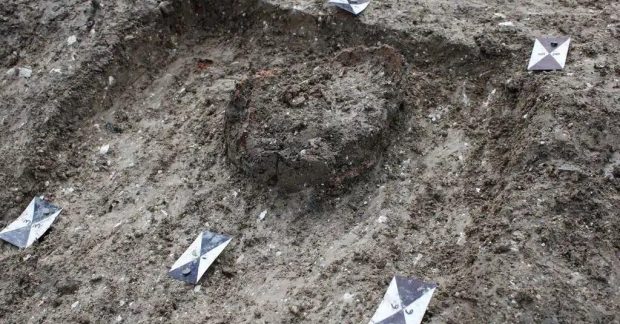
Archaeological discovery in Britain: unique Roman-era infant burial
Archaeologists in Buckinghamshire have unearthed a rare Roman-era infant burial within a ceramic vessel, accompanied by ritual offerings.
 🎭Culture & Sport
Hair Care Secrets: Japanese Methods for Health and Shine
Experts have revealed the nuances of the Japanese approach to washing and drying hair, focusing on scalp health.
 🇺🇦Ukraine
Donald Trump publicly reaffirms his rapport with Vladimir Putin
US President Donald Trump posted a photo with the Russian leader on social media, referring to him as his friend.
 🛡️Security
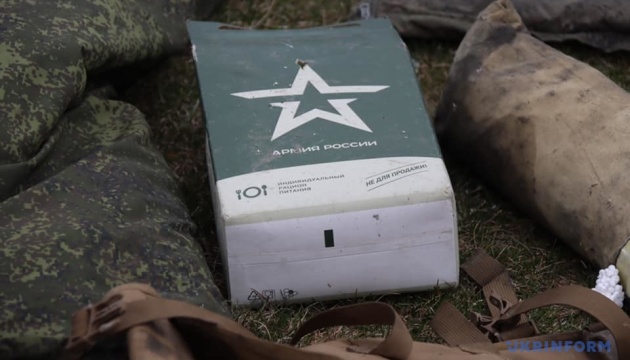
SSU Alpha special forces neutralize over 4,300 invaders in one week
The SSU's Alpha Special Operations Center has set a new effectiveness record, neutralizing over 4,300 Russian troops in just seven days.
 🛡️Security
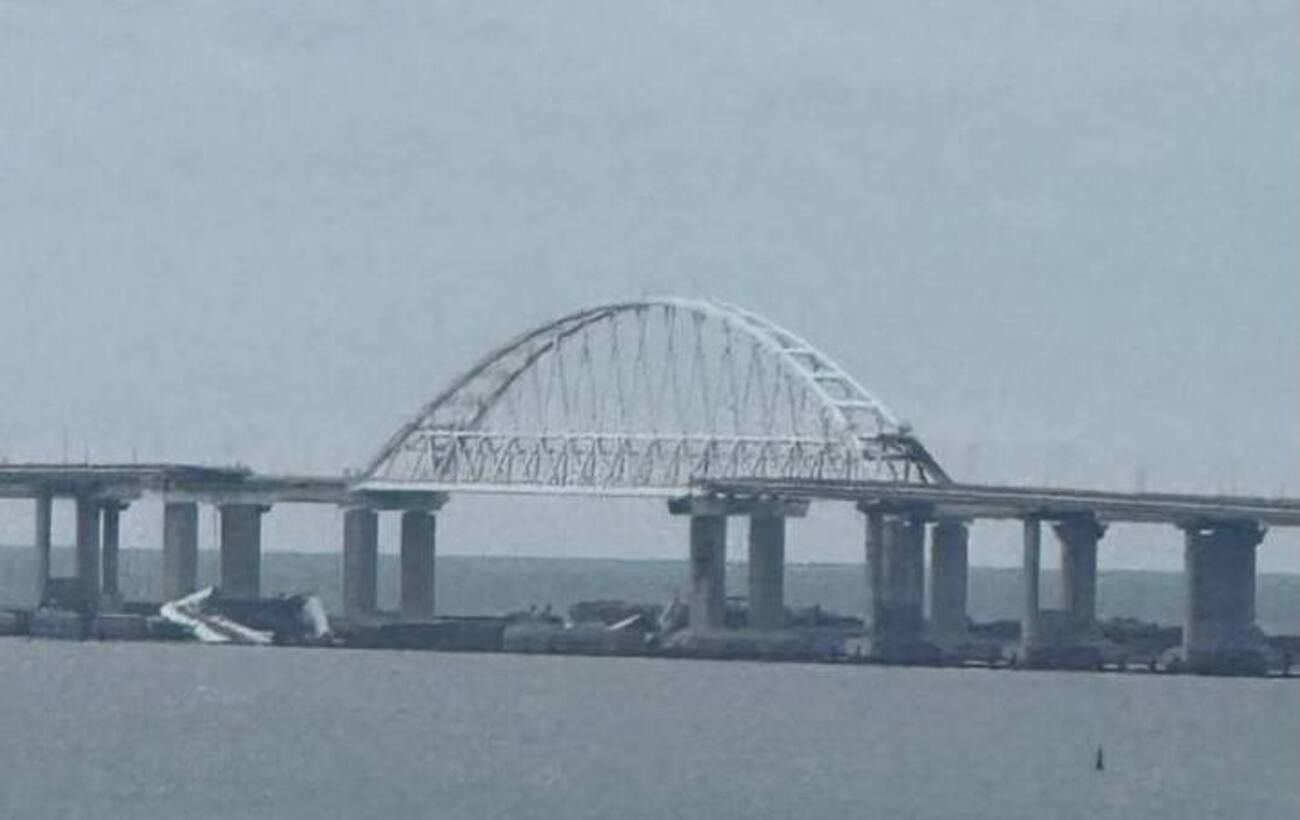
Russia admits logistics issues following Crimea Bridge attacks
The Russian government has officially acknowledged that transport links to occupied Crimea have become more complex following a series of attacks on the strategic bridge.