Microplastics found to be chemically active: new insights into health impacts
Researchers have discovered that microplastics in water can trigger chemical reactions that may damage living cells.
 🩺Health
Photo: TSN
Key points
- Microplastics trigger the formation of reactive oxygen species in water
- Polyethylene and polypropylene are the most chemically active
- Contact with plastic particles can cause cellular damage
- Heating plastic in microwaves increases microparticle release
A study conducted by Columbia University and the University of California, Berkeley, reveals that microplastics are not merely inert debris. When in contact with water, these tiny plastic particles facilitate the formation of reactive oxygen species, which can potentially damage cellular structures and DNA.
The mechanism of chemical interaction
The researchers tested six common types of plastic, including polyethylene and polypropylene. Due to the hydrophobic nature of plastic surfaces, conditions are created at the water-plastic interface that allow for electron transfer and chemical reactions. Polyethylene and polypropylene were identified as the most active, while PET showed lower reactivity.
Laboratory experiments involving mouse erythrocytes showed that contact with plastic particles could lead to cell deformation and rupture. Furthermore, biological molecules tend to accumulate on the surface of microplastics, which can interfere with their natural biological functions.
Source TSN — tsn.ua/zdorovya/mikroplastyk-vyiavyvsia-nebezpechnishym-niz-vvazaly-shc… ↗
Read next
 🛡️Security
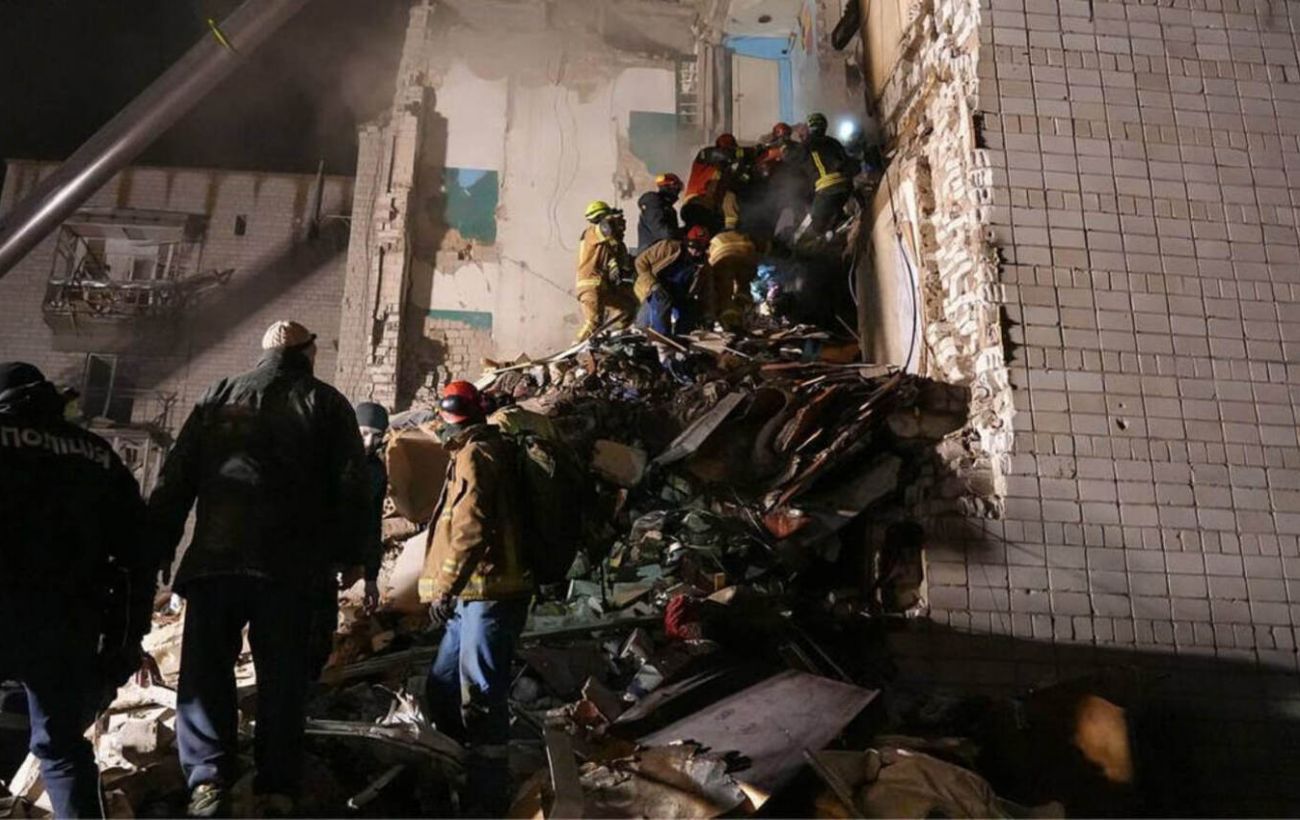
Tragedy in Dymer: Death Toll from Drone Strike Rises to Six
Rescue operations continue at the site of a residential building hit by a drone in the Kyiv region. Six fatalities have been confirmed so far.
 💡Tech
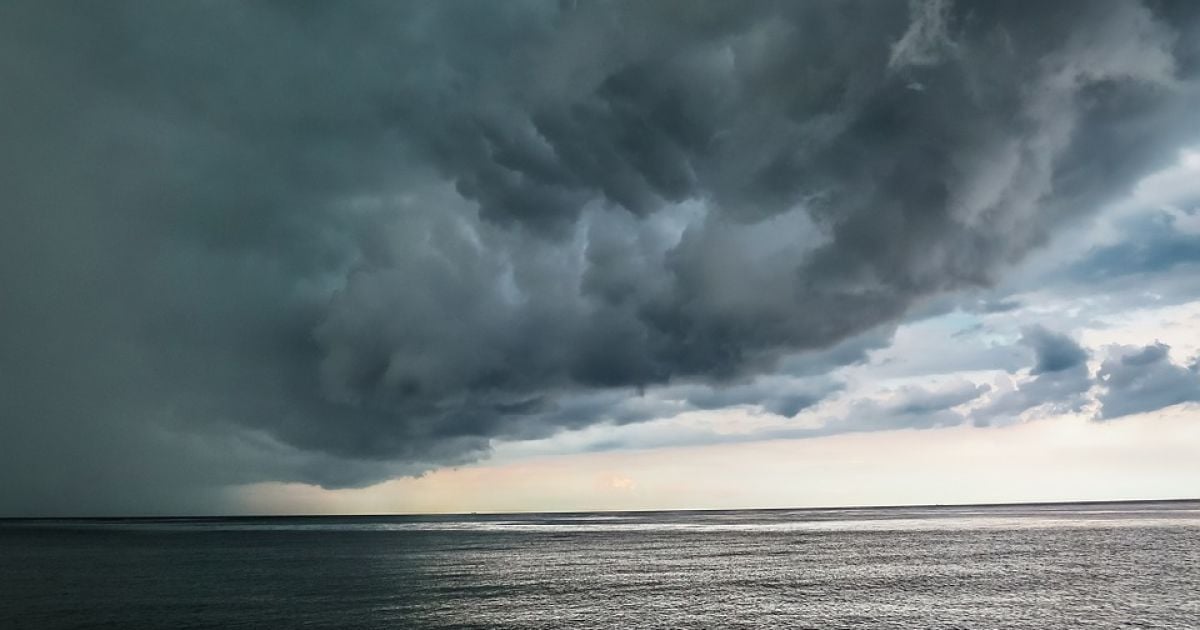
Geological study reveals cyclical pattern of powerful storms on Earth
An international team of scientists has discovered that millions of years ago, the planet experienced a 405,000-year cycle of increased storm activity.
 🚨Events
Shooting in Kharkiv: Police investigate homicide
A man was killed in a shooting incident in Kharkiv on Sunday evening. Police have launched a special operation to identify the perpetrators.
 🏛️Politics
US Considers Security Guarantees for Ukraine Modeled on NATO
Jared Kushner announced US plans to consult on a new European security architecture, potentially including Article 5-style guarantees for Ukraine.
 ⚽Sport
Goal fest in Serie A: Atalanta and Inter draw 4-4
Atalanta and Inter Milan played out a thrilling 4-4 draw in the 12th round of the Italian championship.
 ⚽Sport
Artem Dovbyk considers move to Spanish club Valencia
Ukrainian striker Artem Dovbyk is ready to change clubs due to limited playing time in Italy.